July 1, 2026
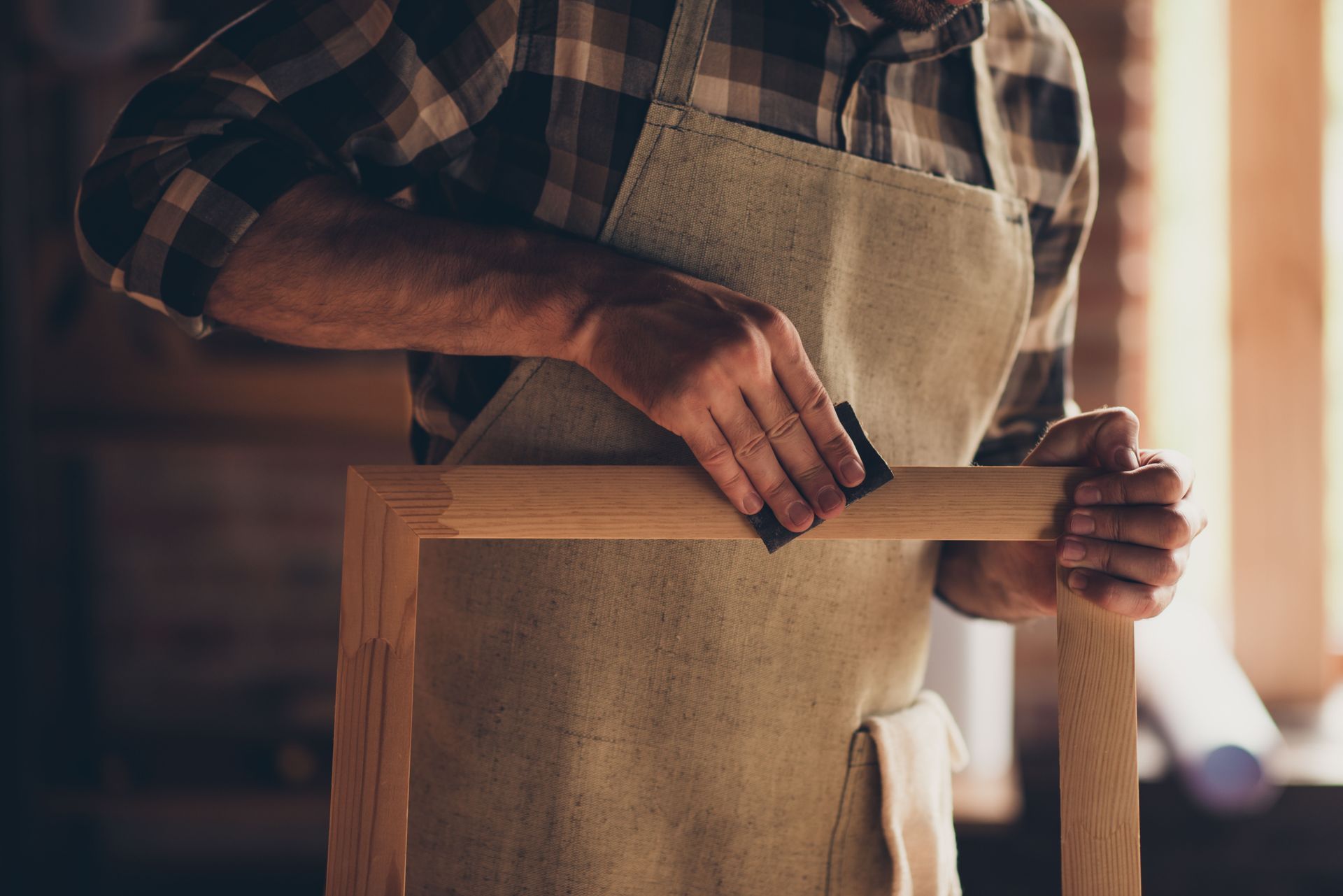
Custom picture framing is an intricate process that goes far beyond simply encasing a piece of artwork inside a basic retail border. It requires a comprehensive understanding of conservation science, visual aesthetics, and structural design to enhance both the visual appeal and long-term longevity of any valued piece. This specialized craft offers completely tailored solutions that consider each item's unique characteristics, ensuring future generations can appreciate its beauty. To safeguard valuable prints, original paintings, or historic textiles, collectors frequently rely on professional local custom framing services to achieve flawless and secure display results.
Investing in expert preservation protects your cherished memories and valuable investments from environmental degradation, fading, and structural damage over time. Navigating the selection of specialized materials, precise dimensions, and final assembly requires a seasoned hand and true industry expertise. Working with dedicated design specialists successfully transforms ordinary pieces into breathtaking focal points that elevate the entire ambiance of any room.
Understand the Artwork
An essential first step in this preservation journey involves accurately identifying the specific type of artwork requiring protection. Diverse mediums like heavy oil paintings, delicate historical photographs, and fragile watercolors demand distinct design approaches to ensure long-term safety. For instance, oil canvases need breathing room to prevent moisture trapping, whereas sensitive photographs require specialized glass to block harmful light rays. Evaluating the current physical condition allows local custom framing services to recommend reliable preservation methods. Experts utilize precision tools to obtain exact measurements, preventing structural crowding.
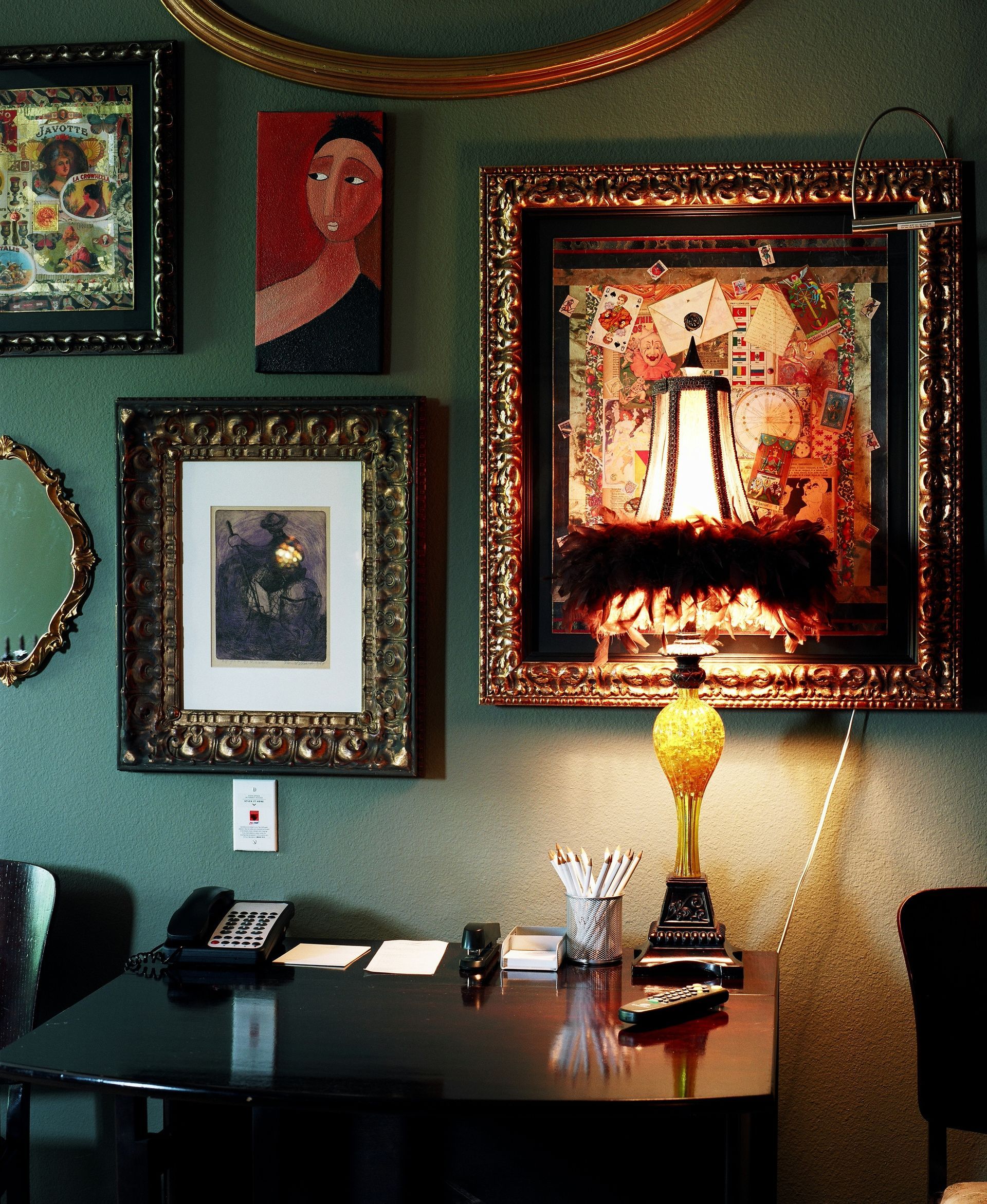
Assessing the unique style, color palette, and historical significance of the piece ensures perfect aesthetic harmony across all elements. A carefully chosen layout enhances the creation rather than overwhelming or distracting from its central subject matter. Framers carefully analyze dominant colors and historical eras, choosing complementary components that echo the artwork's true narrative. Whether an item holds deep family heritage or carries high financial value, these crucial details direct the selection of premium materials. Every custom frame tells a unique story that honors the art.
Select the Frame
Choosing the right frame material establishes the physical foundation for both aesthetic beauty and structural durability over time. Natural wood remains a popular option due to its remarkable design versatility, ranging from rustic finishes to sleek modern lines. Alternatively, sleek metal frameworks offer a contemporary appearance that supports various crisp colors, adding a layer of sophisticated complexity to the layout. Selecting a specific molding profile requires balancing the artwork's nature with the final display environment. Expert guidance helps navigate these stylistic choices successfully to achieve a balanced look.
Integrating the chosen border with existing room decor is a vital consideration during this design transformation. According to Statista, the global home décor market segment generated a stunning $125.10bn in revenue during 2025, highlighting how much people value beautiful living spaces. Experienced local custom framing services excel at selecting finishes that reflect broader decorative trends without clashing with existing home furnishings. Budget considerations also guide this phase, influencing whether clients choose cost-effective materials or invest in premium museum-quality options to protect their investments.
Choose the Matting
Matting serves several critical purposes within the preservation process, acting as both a visual buffer and a defensive shield. A premium mat border creates crucial physical separation between the artwork and the protective glazing, preventing moisture damage and adhesion. Beyond protection, mats contribute to the presentation by defining clear sightlines and adding elegant structural depth to the display. Selecting the correct mat color requires a deep understanding of design to ensure the shade accentuates key details without causing unwanted visual distractions for the viewer.
Determining the ideal thickness and deciding between a single or double mat layout depends heavily on the artwork's scale. Thicker mats create a profound sense of depth, while layered double mats introduce intricate accent borders around the piece. Utilizing acid-free, archival-quality matting materials is paramount to prevent long-term discoloration and chemical deterioration. Dependable local custom framing services guide clients through these complex material selections to guarantee lasting preservation while maintaining exceptional presentation standards over many decades.
Pick the Glazing
Selecting the right protective glazing shields valuable creations from dust, physical contact, and environmental pollutants. Top local custom framing services offer diverse options, focusing primarily on high-clarity glass or lightweight, shatter-resistant acrylic solutions. Traditional glass provides excellent scratch resistance and superior clarity, making it ideal for residential displays. Acrylic offers practical benefits for oversized frames or high-traffic areas due to its shatterproof nature. Incorporating advanced ultraviolet protection within the glazing prevents irreversible fading and material degradation caused by daily exposure to light.
Evaluating the lighting conditions of the final display room helps determine whether to utilize anti-reflective or standard glazing. Anti-reflective options minimize distracting surface glare, allowing viewers to appreciate fine details even in brightly lit environments. Glazing thickness must also be carefully calculated based on the total scale of the frame to prevent bowing and warping. Experts analyze these factors to recommend the safest configurations, balancing clarity, weight, and safety to ensure the artwork remains fully protected and beautifully visible.
Mount the Piece
Secure mounting techniques hold the item firmly in place without causing permanent damage to its delicate paper structure. Dry mounting utilizes heat-sensitive adhesives to flatten items like commercial posters, creating a smooth, ripple-free presentation. However, this method is permanent and never recommended for irreplaceable fine art where future removal might be required by conservators. For high-value pieces, conservation mounting practices prioritize complete reversibility by utilizing specialized acid-free hinges, ensuring the item can be safely detached without losing its historical or market value.
Floating techniques offer another visually striking option by suspending the artwork inside the frame to showcase unique paper edges. This advanced method requires precise execution and specialized archival materials to create a beautiful sense of weightless dimension. Implementing proper hinging with fine Japanese tissue allows the paper to naturally expand and contract with humidity changes. Relying on professional local custom framing services ensures these delicate mounting methods are executed flawlessly, preserving material integrity and preventing common alignment issues over time.
Assemble the Display
The final assembly process securely joins all components together to complete the presentation. Ensuring structural integrity involves careful placement of the backing material, the mounted artwork, and the protective glazing within the chosen frame. Non-invasive techniques are utilized to seal the back, preventing harmful dust or insects from entering. Choosing the appropriate heavy-duty hanging hardware, such as robust D-rings or coated wire, ensures the finished frame remains stable on the wall. Reliable local custom framing services handle this phase with care.
Balancing frame weight with adequate wall support structures avoids accidental damage or structural sagging over time. Properly positioning the frame requires analyzing room lighting and sightlines to maximize viewer engagement while avoiding direct sunlight exposure. Following expert maintenance tips guarantees safety, keeping the display beautiful for years. Seeking professional guidance ensures every step is handled with utmost precision, delivering a polished, high-quality product that stands the test of time and enhances your home environment beautifully.
Custom picture framing is a perfect synthesis of art and science, requiring meticulous attention to detail at every stage. From the initial evaluation of the artwork to the final secure assembly, each decision directly impacts the preservation and visual impact of your valued pieces. Entrusting your precious items to qualified local custom framing services guarantees that they receive the highest standard of care and professional craftsmanship. Contact us at International Galleries to explore our premium design solutions and beautifully preserve your finest artwork today.